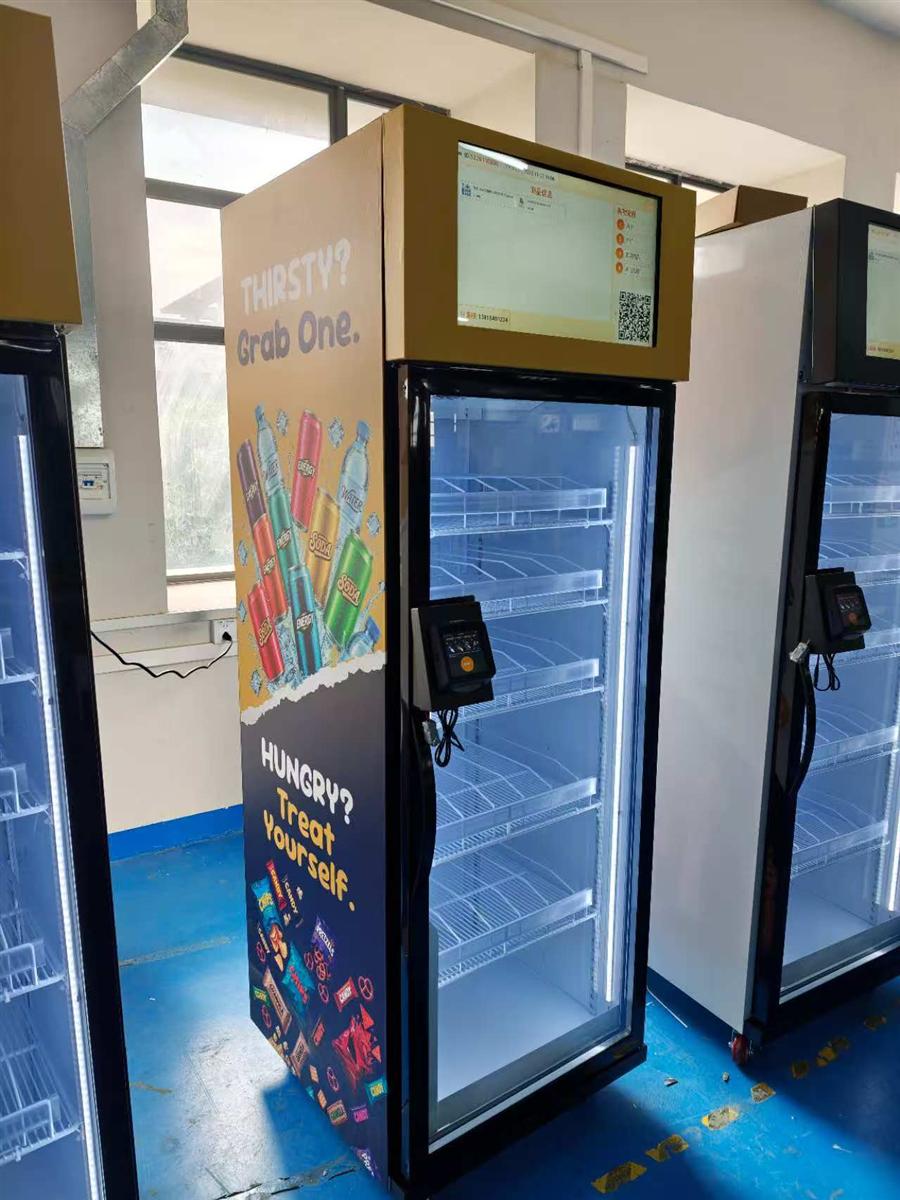
AI Smart Fridge Recognition Testing: A Buyer’s Acceptance Checklist

An AI smart fridge acceptance test should validate the actual products and the complete shopping session, from access authorization to the final charge. A recognition demonstration using a supplier’s sample assortment does not establish performance for your own packages. Agree the test products, scenarios, acceptance criteria and exception process before confirming the order.
What does the recognition test need to establish?
The buyer needs evidence that the proposed configuration can distinguish the intended products during realistic shopping sessions and produce a transaction that matches what the customer keeps. Review item identity, quantity and price separately. Recognizing a product correctly does not by itself prove that the payment amount or inventory record is correct.
The WEIMI WM22ZLD smart fridge product page describes dual camera views and vision-based recognition. It explicitly calls for validation using the approved assortment. A universal accuracy figure is not specified for this reference model. Use the final quotation and agreed trial to define your project’s requirements.
Prepare a representative SKU set
Send physical samples and a catalog that connects each product identifier to its name, flavor, size, retail price and package photographs. Include the actual filled retail pack, not only a flat label design. Record the package version so later artwork changes can be identified.
- Include visually similar flavors and sizes, especially products from the same brand.
- Include reflective, transparent or deformable packaging if it belongs in the planned assortment.
- Use the proposed shelf layout and realistic stock levels.
- Agree which products are excluded until a further test is completed.
The number of shelves is not a unit-capacity promise. Confirm package fit, presentation and the recognition setup together before approving a loading plan.
Test customer actions, not just individual products
Ask the supplier to demonstrate ordinary shopping behavior as well as agreed exception scenarios. A useful test record identifies the expected basket before comparing it with the system result.
- Take one item, close the door and compare the product, quantity and charged price.
- Take several different items in one session, using combinations from the planned range.
- Take more than one unit of the same product.
- Take an item and return it before the session closes, following the supported return procedure.
- Test similar-looking products in the shelf positions intended for operation.
- Compare the resulting transaction and stock change with the physical cabinet contents.
Agree how many trials and what pass criteria are appropriate for the project; this guide does not prescribe an unsupported universal threshold. Record incomplete or disputed sessions as well as successful ones. Keep fault handling and network interruption testing within procedures approved by the supplier.
Connect recognition results to payment and support
For each completed session, review the customer-facing amount, payment status and available transaction evidence. Clarify authorization holds, final settlement, refunds and the responsibilities of the operator, equipment supplier and payment provider. Our vending payment systems guide helps structure that discussion.
If recognition is uncertain or a customer disputes a charge, staff need an agreed review route. Ask what records are available, who may access them, how long they are retained and how a correction is authorized. Confirm the supplied functions and privacy responsibilities for the destination; do not assume every dashboard includes the same evidence or tools.
What should the acceptance record contain?
- The model, hardware and software configuration used in the trial.
- The approved product catalog, package versions and shelf arrangement.
- Each test scenario, expected basket, observed result and payment outcome.
- Open issues, corrective actions, retests and acceptance sign-off.
- The procedure for adding a product or changing packaging after launch.
Run a controlled pilot at the intended venue before repeating the configuration across a fleet. Refill staff should learn the approved layout and the process for registering changes. Remote stock information should be checked against physical counts during the pilot.
Frequently asked questions
Can one successful demonstration prove compatibility with every product?
No. Test the actual assortment, including similar packages and realistic combinations. New products and package redesigns need review before they enter the live cabinet.
Should the buyer ask only for an accuracy percentage?
No. Ask how the result was measured, which products and actions were included, and how recognition, quantities, settlement and exceptions were evaluated. Agree measurable criteria in writing.
What should I send to request a test?
Provide the destination, cabinet requirements, SKU list, physical samples, prices, shelf plan and payment preferences. State the customer actions and records your team needs to validate.
Compare the WEIMI smart fridge range, then contact WEIMI to discuss an assortment-specific recognition trial. Request the test scope and final configuration with the quotation.
Adding New Products to an AI Vending Fridge: Registration and Retesting
Instant Noodle Vending Machine Buying Guide: Hot Water, Costs and Setup
Related Article