
Will a Vending Machine Fit Through Your Building? Delivery Access Survey
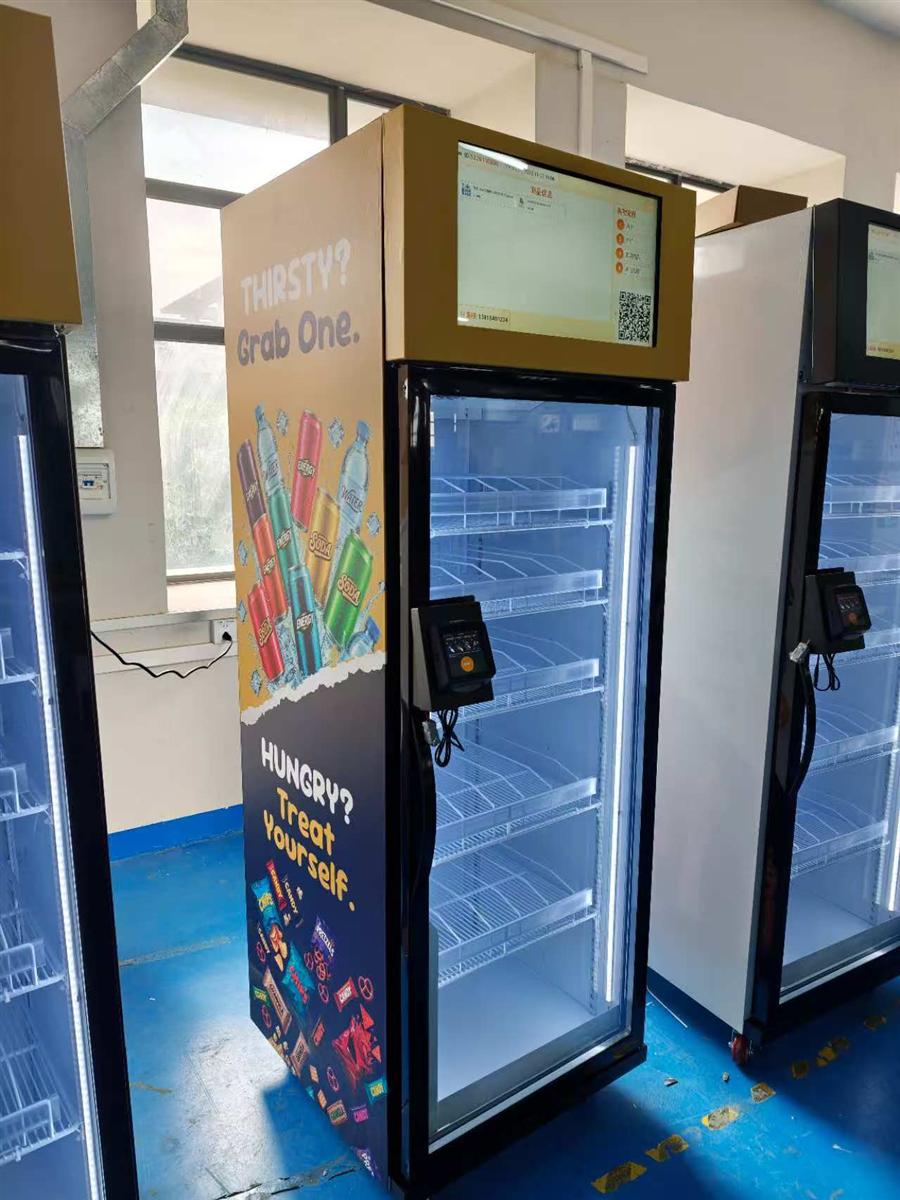
A vending machine can fit its final floor space yet still be impossible to deliver through the building. Before approving shipment, survey the entire route from the unloading point to the operating position using the supplier’s packed dimensions and handling requirements. Check the narrowest opening, tightest turn and any height or weight restriction along that route.
This survey helps a buyer, property manager and moving contractor compare the same information. It does not replace a professional lifting plan or the handling instructions for the ordered machine.
Start with two different dimension sets
Request both the unpacked equipment dimensions and the shipping package dimensions. Packaging, pallet runners, protruding fittings and lifting arrangements can change the space required during delivery. Ask whether the quoted weight includes the pallet, crate and accessories.
Obtain a drawing that shows the delivery orientation, center-of-gravity information where supplied, approved lifting points and any restrictions on tilting. Refrigerated equipment may have specific transport and restart instructions; follow the manufacturer’s written directions for the actual build. Do not assume it can travel on its side because a doorway is low.
The WM22ZLD reference specification, for example, lists cabinet dimensions and asks buyers to confirm service clearances and installation conditions. A product-page footprint is not a packaged shipping envelope or a handling plan. Request the final drawing for your order.
Walk the route from the vehicle, not from the shop door
Mark the intended unloading location on a site plan. Record road access, vehicle restrictions, booking requirements and the distance to the building entrance. Confirm that the chosen delivery service includes the equipment and personnel needed to move the shipment off the vehicle.
A freight quote may cover delivery to a named address without covering movement to the final room. Ask who supplies the tail lift, forklift, pallet truck or specialist mover where required. Confirm access times and any property rules before fixing a delivery date.
- Photograph the unloading area and identify any slope, uneven surface, drainage channel or kerb.
- Trace the continuous route to the final position, including external paths and service corridors.
- Record every door, gate, ramp, lift, step and change of direction.
- Share the route with the supplier and moving contractor for review.
Do not improvise lifting or stair movement with untrained staff. The responsible contractor should determine the safe method using the shipment information and site conditions.
Measure usable openings and turning space
Measure the clear opening available when the door is in the delivery position. Frames, handles, closers, thresholds and security gates can reduce usable space. Note whether adjacent doors must be opened and whether permission is required to remove a door leaf or other obstruction.
A straight doorway measurement does not resolve a turn immediately behind it. Record corridor widths, the approach angle and space available on both sides. Include ceiling height, hanging signs, pipework and overhead door mechanisms. Ask the mover to assess the turning envelope of the packaged load and handling equipment together.
- Doorways: clear width, clear height, threshold and opening restrictions.
- Corridors: narrow points, corners, fire doors and areas that cannot be obstructed.
- Lifts: door opening, internal cabin size, rated load and booking rules.
- Floors and ramps: surface condition, gradients and any structural limits requiring review.
Do not invent a standard clearance allowance. The required margin depends on the machine, packaging, handling equipment and maneuver. Have the supplier and moving contractor agree the route in writing.
Check the final position as an operating workspace
Once the cabinet arrives, it needs more than room to stand. Review customer approach, door swing, product pickup, replenishment access and maintenance space. A side panel or rear ventilation area must remain accessible if the installation instructions require it.
Confirm the approved electrical supply, cable route and network provision before the machine arrives. For equipment with water or drainage, confirm those connections separately. Do not use an extension arrangement or modify connections without the appropriate local professional and supplier guidance.
If a shelter is planned, compare the shelter opening and internal space with the machine’s service and ventilation needs. Review the WEIMI vending machine shelter range as a starting point, then request a matched layout. A canopy does not by itself establish that an indoor cabinet is suitable for outdoor conditions.
Decide what happens to the packaging
Agree where the shipment will be inspected and unpacked. Keeping the crate until the cabinet is near the installation point may protect it, but the packed load may not pass the route. Unpacking outside can introduce weather exposure and handling risks. Let the responsible parties determine the sequence before shipment.
Confirm who removes waste packaging, retains transport restraints where needed and documents damage on arrival. Keep delivery photographs and the packing list with the project record. Ask the supplier how to report damage and what evidence is needed before attempting installation or repairs.
Use a delivery responsibility sheet
Assign an owner to each step rather than relying on the phrase “door-to-door.” Record:
- Delivery address, contact, booked time and vehicle restrictions.
- Unloading equipment, operator and responsible contractor.
- Movement from the unloading point to the installation position.
- Permission for access, lift use and any temporary obstruction removal.
- Unpacking, inspection, positioning and packaging disposal.
- Utility connection, commissioning and handover responsibilities.
Attach the approved route photos, dimensions and handling instructions. If the site or machine configuration changes, review the survey again before dispatch.
Three questions to settle before release for shipment
Can the supplier confirm the packed size and weight?
Obtain the figures for the final order, including accessories shipped with it. Do not use a similar model’s listing as the delivery specification.
Has a responsible mover reviewed every restricted point?
Send measurements and photos of doors, turns, lifts and level changes. A final-room measurement alone is insufficient.
Does the quotation identify the endpoint of the delivery service?
Confirm whether the service ends at unloading, the building entrance or the operating position, and who covers the remaining work.
When requesting a vending machine quotation from WEIMI, include destination, site photographs, delivery route measurements and the planned operating position. Compare the machine configuration and delivery scope together so access problems are resolved before the shipment leaves.
AI Vending Fridge Card Holds: Why the Pending Amount May Differ from the Purchase
Similar-Looking Meal Packages in AI Fridges: What Buyers Should Test
Related Article


