
Why AI Vending Machines Are Becoming a Smart Retail Expansion Tool
2026-05-25
Retail Businesses Are Facing New Operating Challenges
Running a retail business today means constantly balancing two competing pressures: keeping labor costs down while still giving customers the fast, convenient experience they expect. Opening a new location used to mean signing a long lease, hiring staff, and committing to full operating hours — a significant bet, especially in uncertain markets.
Meanwhile, shoppers have quietly changed their habits. Self-checkout lanes, grab-and-go coolers, and contactless payments have made people genuinely comfortable buying things without interacting with anyone. That shift hasn't gone unnoticed.
It's a big part of why AI vending machines are drawing serious interest from retailers — not as glorified snack dispensers, but as practical tools for selling products in more places without the overhead of a traditional store.
What Makes AI Vending Machines Different
Older vending machines were rigid: fixed slots, coin mechanisms, limited products. Today's AI-powered versions are a different category entirely.
Most now run on cloud-based software with AI cameras that let operators track inventory levels, monitor sales performance, and manage machines remotely — without ever visiting the location. Some support smart product recognition that enables a fully unattended checkout experience. The appeal isn't just automation for its own sake. It's the ability to oversee dozens of sales points from a single dashboard.
Capabilities that come standard on many models today include:
-
Remote inventory monitoring
-
Real-time sales tracking
-
Cashless payment systems
-
AI product recognition
-
Cloud-based management
-
24/7 unattended operation
For businesses trying to grow their footprint without growing their payroll, that combination is hard to ignore.
How AI Vending Machines Help Businesses Expand Faster
The real advantage here is flexibility. A machine can go inside an airport terminal, a hotel lobby, a hospital corridor, or an office building — anywhere foot traffic exists but a full store wouldn't make sense.
A bakery brand, for instance, might use smart retail units to sell fresh pastries in corporate buildings during the workday, without hiring a single additional employee. A beverage company might place coolers in gyms and hotels to reach customers where they already spend time.
Beyond placement flexibility, the operational math works in a few specific ways:
Reduce Operating Costs
Fewer staff requirements and a smaller physical footprint keep daily expenses significantly lower than running a traditional store.
Extend Selling Hours
A machine doesn't clock out. It keeps selling long after nearby stores have closed for the night.
Test New Locations More Easily
Before committing to a full lease, retailers can gauge real customer demand at a fraction of the cost and risk.
Improve Retail Efficiency
Remote management means one operator can oversee multiple locations without being physically present at any of them.
This is why AI vending has started appearing in broader retail strategy conversations, rather than being treated as a niche equipment purchase.
Industries Increasingly Using AI Vending Machines
The product range going into these machines has expanded well beyond chips and soda.
Bakery and Dessert Retail
Fresh cakes, pastries, and desserts are moving into high-traffic areas well outside the reach of traditional bakery storefronts.
Fresh Food Retail
Salads, sandwiches, beverages, and ready-to-eat meals are being sold through AI coolers and smart vending systems across a growing number of locations.
Hotels and Office Buildings
Self-service retail allows these venues to offer genuine shopping convenience without adding front-of-house staff.
Airports and Transportation Hubs
Travelers have little time and even less patience for a line — making fast, unattended grab-and-go retail a natural fit for these environments.
As the technology improves, more operators are starting to think of these machines less as equipment and more as scalable retail infrastructure.
The Future of AI Retail Automation
Retail automation isn't going to replace physical stores — but it's carving out a real role alongside them. AI vending machines work best as supplementary channels: extending a brand's reach, keeping products accessible around the clock, and opening up locations that a traditional store could never justify.
For retailers looking to expand carefully — more coverage, lower risk — the case for AI vending technology is becoming harder to dismiss.
Why Many AI Vending Machines Fail in Real Operations
Elevating the Weimi Outdoor Dog Wash: The Power of Smart Hardware & Canopy Protection
Related Article
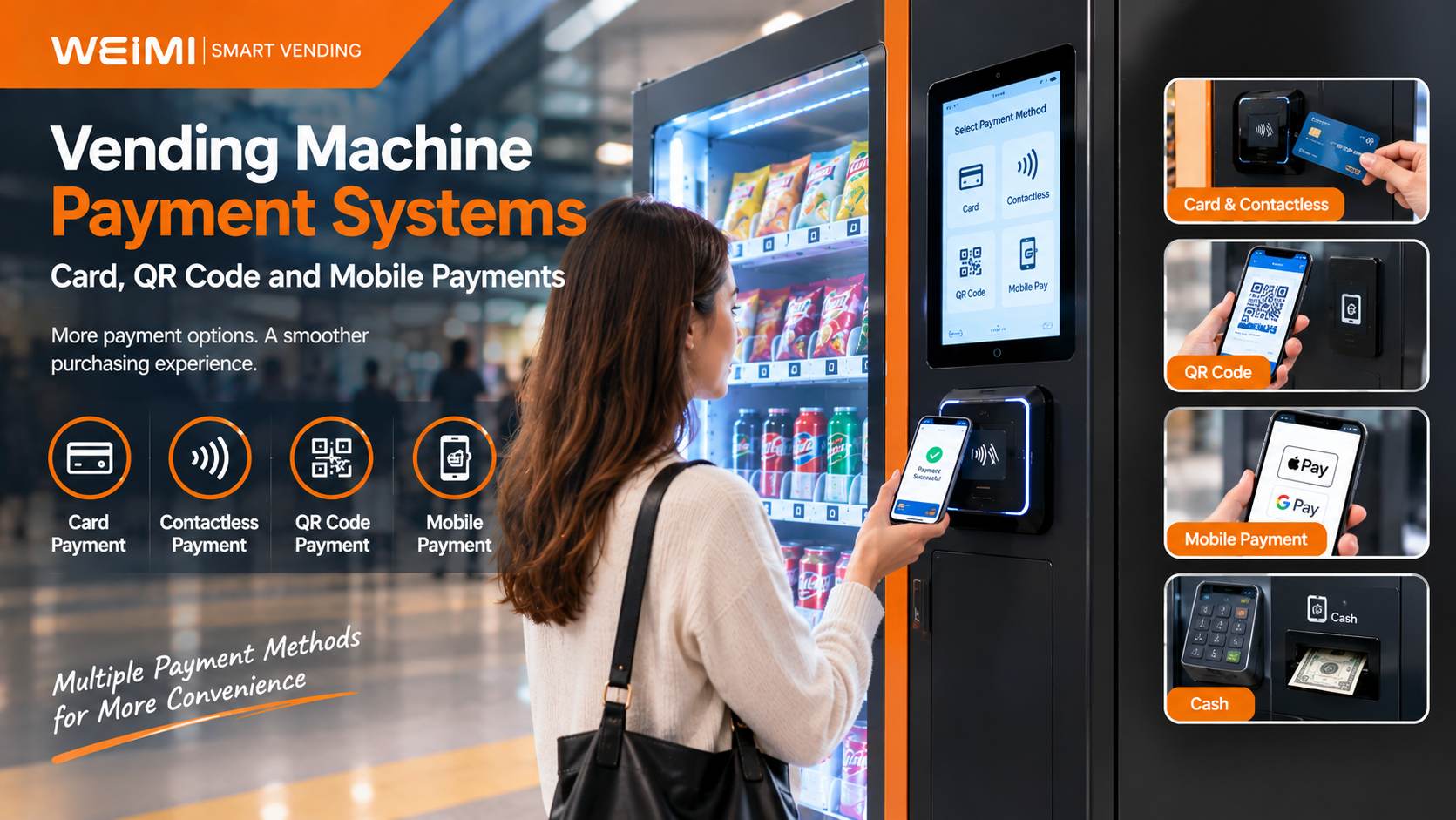
Learn about card, contactless, QR code, and mobile payment options for modern vending machines and how to choose between them.
Vending Machine Payment Systems: Card, QR Code and Mobile Payments

Learn how to choose a vending machine based on your products, location, capacity, payment options, and daily operating needs.
How to Choose the Right Vending Machine for Your Business

