The Evolution of Vending Machines: A Historical Journey
Vending machines have become an ubiquitous presence in modern society, offering convenience and accessibility to a wide range of products at any time of the day. However, their origins trace back to ancient times, evolving through centuries of innovation and technological advancements. This essay delves into the rich history of vending machines, exploring their development from ancient Greece to the cutting-edge automated systems of today.
Origins and Early Concepts
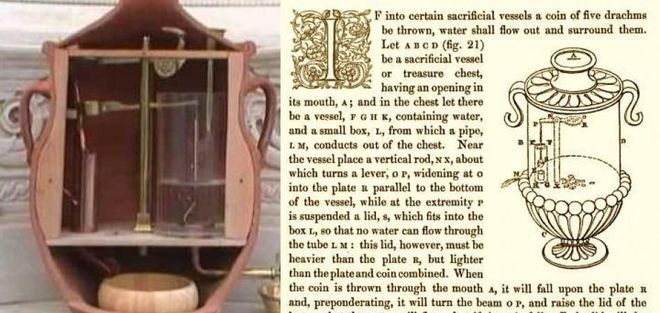
The concept of vending machines dates back to ancient civilizations, where inventive minds sought ways to automate the dispensing of goods. One of the earliest known examples comes from the first-century Roman Empire, where curious patrons could insert a coin into a device known as a "vending urn" to receive holy water. This early form of automation demonstrated the basic principles of exchange and mechanization that would later define vending machines.
Renaissance and Early Modern Innovations
During the Renaissance period, Europe saw a resurgence in automated devices, including vending machines. In the 17th century, English mathematician and inventor Sir Samuel Morland created a coin-operated machine that dispensed beverages. This marked a significant step forward in the mechanization of retail transactions, paving the way for further innovations in the centuries to come.
Industrial Revolution and Mass Production
The Industrial Revolution of the 18th and 19th centuries brought about profound changes in manufacturing and technology, which also influenced vending machines. The rise of mass production enabled the manufacture of standardized components, making it feasible to produce vending machines on a larger scale. Machines that dispensed simple items like postcards, tobacco, and candy began to appear in train stations, theaters, and other public spaces, catering to the growing urban population.
20th Century Advancements
The 20th century witnessed a boom in vending machine technology, driven by advancements in electronics and consumer demand for convenience. In 1888, the Thomas Adams Gum Company installed the first vending machines in the United States to dispense Tutti-Frutti gum.
These machines were manually operated and required attendants to manage them.
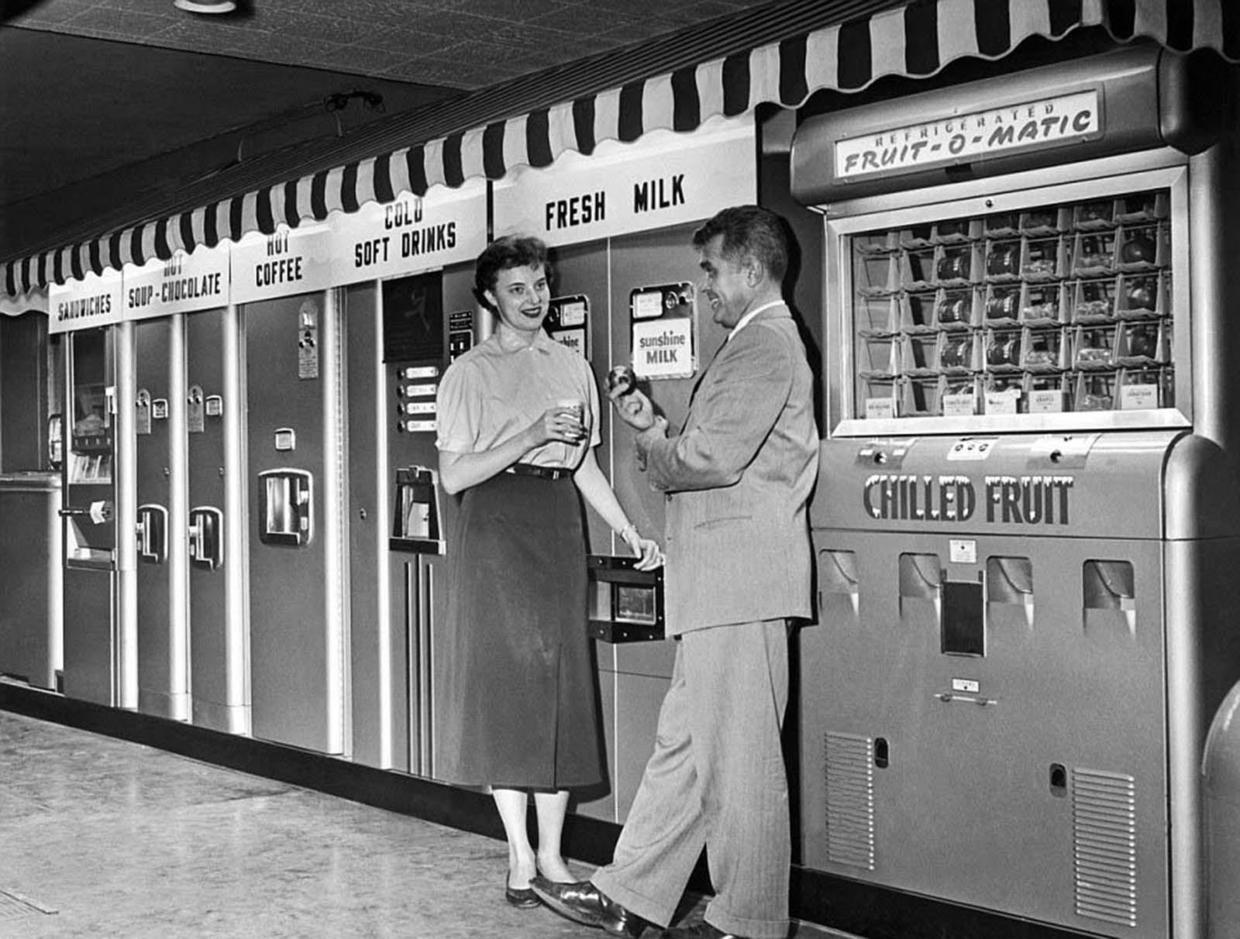
The introduction of electric-powered vending machines in the early 20th century revolutionized the industry. These machines could automatically dispense a variety of products, from snacks and beverages to newspapers and small goods. The proliferation of vending machines in workplaces, schools, and public areas made them a familiar sight across the globe.

Technological Innovations and Modern Era
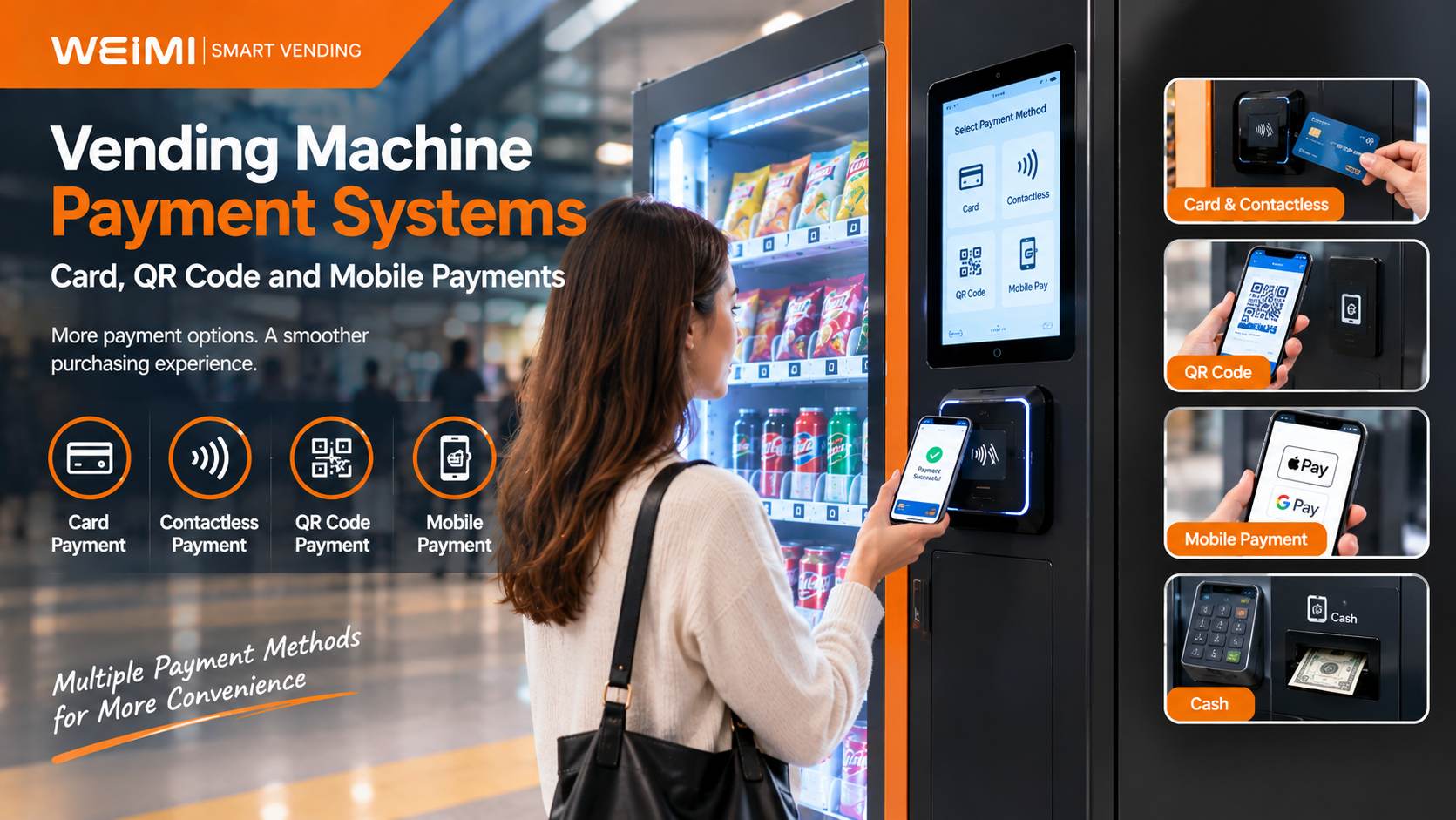
The latter half of the 20th century and early 21st century saw rapid advancements in vending machine technology. Microprocessors and digital displays enabled machines to offer a wider selection of products and accept a variety of payment methods, including credit cards and mobile payments. Intelligent inventory management systems allowed for real-time monitoring of stock levels and automated replenishment.
Furthermore, vending machines expanded beyond traditional items to include fresh food, hot meals, and even electronics. Innovations in refrigeration and heating technologies made it possible to maintain the quality and safety of perishable items, catering to the evolving tastes and preferences of consumers.
Future Trends and Innovations
Looking ahead, the future of vending machines appears poised for continued innovation and integration with digital ecosystems. Smart vending machines equipped with artificial intelligence and machine learning capabilities can analyze consumer behavior and preferences, optimizing product offerings and personalized recommendations in real-time.
Moreover, sustainability has become a critical focus in the vending industry. Manufacturers are developing eco-friendly machines that reduce energy consumption and minimize waste. Some vending machines now offer refillable containers or biodegradable packaging, aligning with global efforts towards environmental conservation.
In conclusion, the history of vending machines is a testament to human ingenuity and technological progress. From ancient Roman devices to sophisticated smart machines of today, vending machines have evolved to meet the changing needs of society. They have transformed from simple coin-operated dispensers to complex systems offering a wide array of products and services at the touch of a button.
As we continue to innovate and improve upon existing technologies, vending machines will undoubtedly play an integral role in the future of retail and consumer convenience. Whether it's satisfying a craving for a snack or providing essential goods in remote locations, vending machines remain an ultimate symbol of accessibility and efficiency in modern society.
Chance
E-mail:chance@micronvending.com
Wechat/Whatsapp: +8613711991611
How to start a vending business?
Join Us at the Asia Vending & Smart Retail Expo 2024
Related Article