Are Vending Machines the Future of Global Trade? Exploring Innovation, Convenience, and New Opportunities

Background: The Global Shift in Consumer Behavior and Trade Patterns
In recent years, the foreign trade landscape has undergone a dramatic transformation. Global supply chains have become more interconnected, and international commerce is increasingly shaped by innovation in technology. One of the industries at the forefront of this shift is the vending machine sector, which, traditionally seen as a local convenience solution, has grown into a globally integrated system. Thanks to the rise of smart vending machines, the advent of contactless payments, and the increased demand for automation, vending machines are no longer just a simple tool for quick snacks. Today, they are part of a more complex, dynamic ecosystem, impacting foreign trade in new and unexpected ways.
With the world still recovering from the disruptions caused by the COVID-19 pandemic, consumers are now looking for more efficient, hygienic, and convenient ways to access products. The vending machine industry has emerged as a natural solution, offering everything from fresh food and beverages to personal care items and electronic gadgets. The trend is not just confined to high-traffic areas like airports and shopping malls; vending machines are now being deployed in offices, hospitals, and even residential communities around the globe. This transformation has opened new doors for international trade, allowing manufacturers and suppliers to reach global markets faster and more efficiently.
The demand for vending machines has surged, especially as businesses and consumers alike are increasingly seeking contactless solutions for product delivery. The rise of e-commerce and the shift towards a digital economy have further accelerated the need for automated systems that can handle high volumes of transactions with minimal human intervention. This is where smart vending machines come into play—offering a seamless and efficient way to purchase goods while also creating new opportunities for foreign trade and cross-border commerce.

The Advantages of Vending Machines in Foreign Trade
1. Streamlined Distribution Channels
Vending machines act as an automated point of sale, providing a streamlined distribution channel that bypasses the traditional retail infrastructure. By using vending machines to distribute products, companies can reach remote areas and underserved markets without the need for a physical storefront. In foreign markets, especially in regions with challenging logistics or high labor costs, vending machines offer a cost-effective and scalable solution for selling products.
For example, a company based in China might want to introduce its product line into the USA market. Instead of investing heavily in local retail spaces or setting up a complex distribution network, they can simply install vending machines at key locations. These machines, often equipped with cloud-based software, allow for real-time monitoring of inventory, sales, and customer preferences, making it easier to adjust stock levels and pricing dynamically based on local demand. This global accessibility is a significant advantage for businesses looking to expand their reach without significant upfront costs.
2. Reduced Operational Costs and Increased Efficiency
The automation provided by vending machines reduces the need for human staff, resulting in significant cost savings. From a foreign trade perspective, this means that businesses can distribute products across different markets without having to hire local employees or maintain extensive operational infrastructures. This reduction in operational costs is particularly beneficial in markets where labor expenses are high or where staffing shortages are common.
Vending machines, especially the "smart" models, are capable of operating 24/7 with minimal supervision. This continuous availability is crucial for reaching consumers who demand convenience and flexibility. By reducing the need for human intervention, vending machines can also ensure consistent pricing and product availability, which is key to building customer trust.

3. Enhanced Customer Experience and Personalization
The latest generation of vending machines offers advanced features such as touch screens, interactive interfaces, inventory management. In the context of foreign trade, this means that vending machines can cater to a diverse range of customer preferences, making them highly adaptable to local markets.
For instance, in a vending machine deployed in a foreign country, the interface can be set to display product descriptions and options in the local language, offering a culturally relevant experience for customers.

4. Contactless and Hygiene-Conscious Solutions
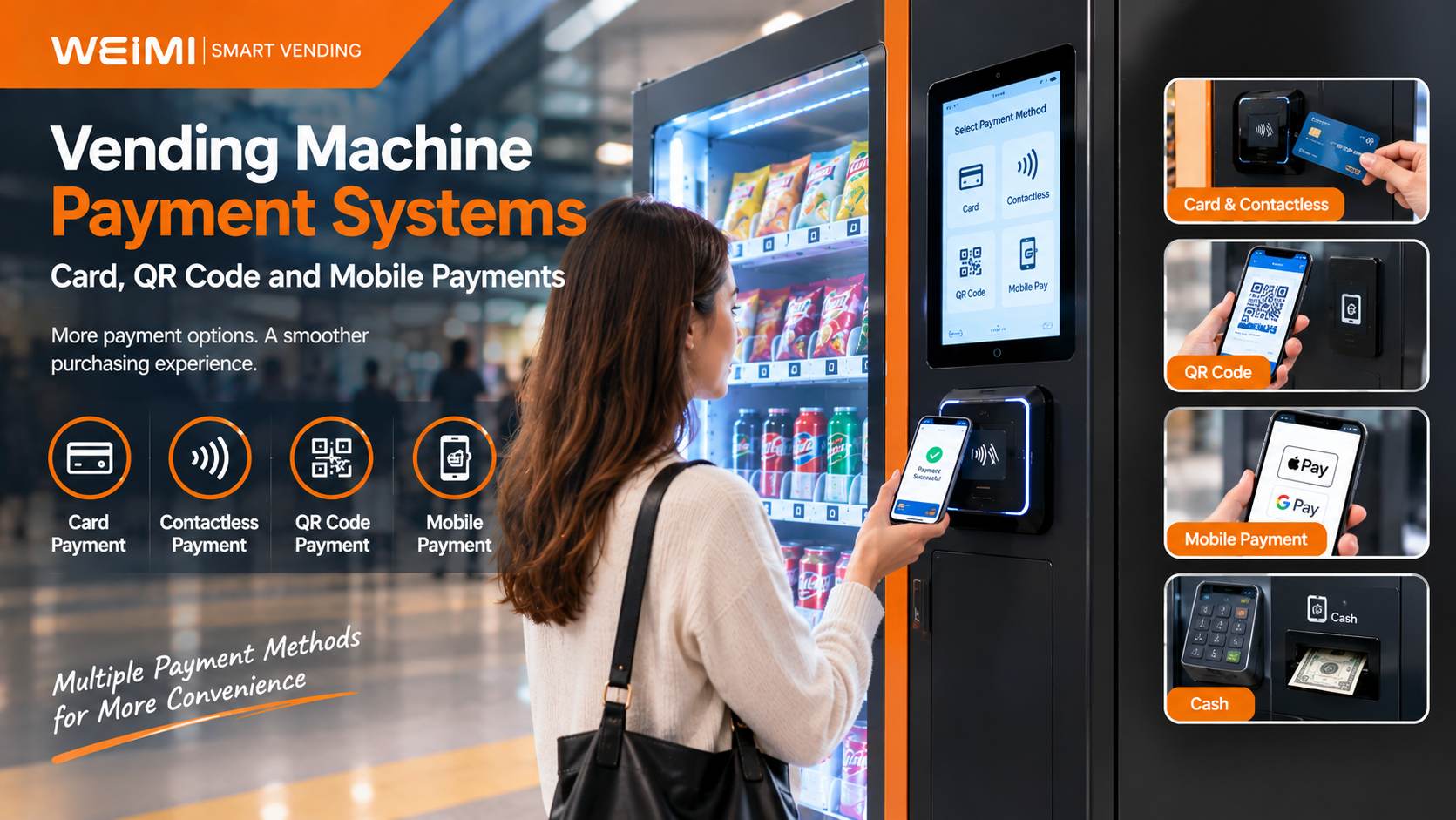
The demand for contactless payment options and hygienic product delivery has skyrocketed since the COVID-19 pandemic, particularly in the food and beverage sectors. Smart vending machines, equipped with features like touchless payment methods (e.g., QR codes, mobile wallets), cashless transactions, and automatic dispensing, address these needs. They ensure that consumers can make purchases with minimal physical contact, which is especially crucial in countries with high hygiene standards or stringent health regulations.
As foreign markets recover from the pandemic and prepare for future health crises, vending machines will likely become an essential component of public spaces such as hospitals, airports, and office buildings. These machines offer consumers the peace of mind that their products are dispensed in a clean, safe, and efficient manner.
5. Diverse Product Offering and Cross-Border Commerce
Vending machines are no longer limited to simple snacks or beverages. Today, they offer a broad range of products, from fresh food and groceries to electronics and personal care items. This diversification opens new opportunities for businesses involved in foreign trade to expand their product offerings and appeal to a wider range of consumers.
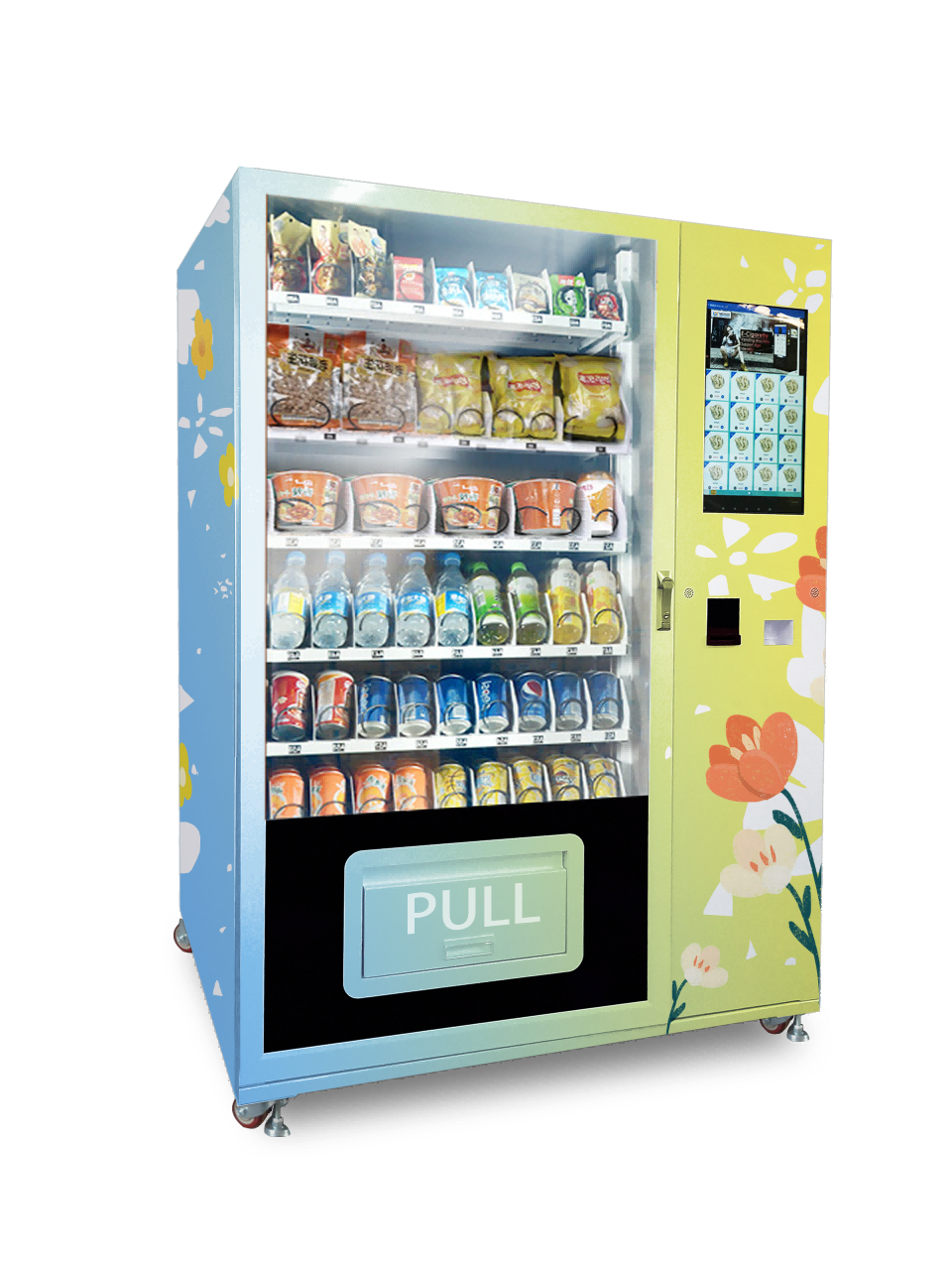

For example, a European company that specializes in skincare products might choose to place its items in vending machines located in airports or malls across Asia. This cross-border commerce allows the company to tap into a completely new customer base while bypassing traditional retail channels. Additionally, the ability to monitor machine sales remotely allows businesses to track product performance and make necessary adjustments to inventory, pricing, and marketing strategies in real time.
6. Sustainability and Reduced Environmental Impact
Sustainability is an increasingly important factor in global trade and consumer purchasing decisions. The rise of eco-conscious consumers is pushing companies to adopt greener practices. Vending machines, when strategically designed, can reduce environmental impact in several ways.
For example, many modern vending machines are designed to use less energy, operate with energy-efficient lighting, and incorporate eco-friendly packaging. In addition, vending machines can contribute to reducing food waste by ensuring that products are sold directly from the machine without the need for middlemen or excessive packaging. Some machines are even equipped with systems to collect and recycle waste generated by consumers.
By aligning with global sustainability trends, vending machines not only help companies gain a competitive edge but also contribute to the overall shift towards greener supply chains and trade practices.
Conclusion: Seizing the Opportunity in Global Vending Machine Trade
The rapid evolution of the vending machine industry is a testament to the power of innovation and automation in reshaping global trade. As businesses look to streamline operations, reduce costs, and meet consumer demand for convenience and hygiene, vending machines have proven to be a vital tool in modern commerce. The advantages they offer—ranging from efficient distribution to enhanced customer experiences—make them an attractive solution for businesses looking to expand into foreign markets.
The key takeaway for companies considering the foreign trade potential of vending machines is clear: now is the time to invest in this technology. Whether you're a small business looking to expand internationally or a large corporation seeking to diversify your distribution channels, smart vending machines offer an innovative and cost-effective way to reach global markets.
As international trade continues to evolve in response to changing consumer behaviors and technological advancements, vending machines are positioned to play an increasingly central role in facilitating cross-border commerce. For companies aiming to stay ahead of the competition, embracing this automated, contactless solution will be essential for long-term success.
For businesses already involved in foreign trade, it's time to rethink how vending machines can complement your global strategy. Explore partnerships with vending machine manufacturers, invest in smart vending technology, and start expanding your reach today.
About Us
China's Top 3 Vending Machine Exporter
8 Years. Production experience
60 Countries. Exported to 60+ countries
30,000 Machines. In the field
16,000 ㎡. Production base
800 Machines. Monthly production capacity
How Our Fishing Bait Vending Machine is Meeting Growing Demand in the Global Angling Market
Dietary Supplement Products in Vending Machines: Capitalizing on the Health Trend for Profitable Business
Related Article