USA AI Smart Fridge Customer Case: Snacks and Drinks in a Refreshment Corner
A Compact Retail Point Beside the Coffee Counter
A convenient refreshment area depends on more than a coffee machine. People may also want a bottled drink, a canned beverage or a packaged snack during a short break. This USA customer case shows a WEIMI AI smart fridge positioned beside an existing coffee counter, bringing several everyday product choices into one visible self-service point.
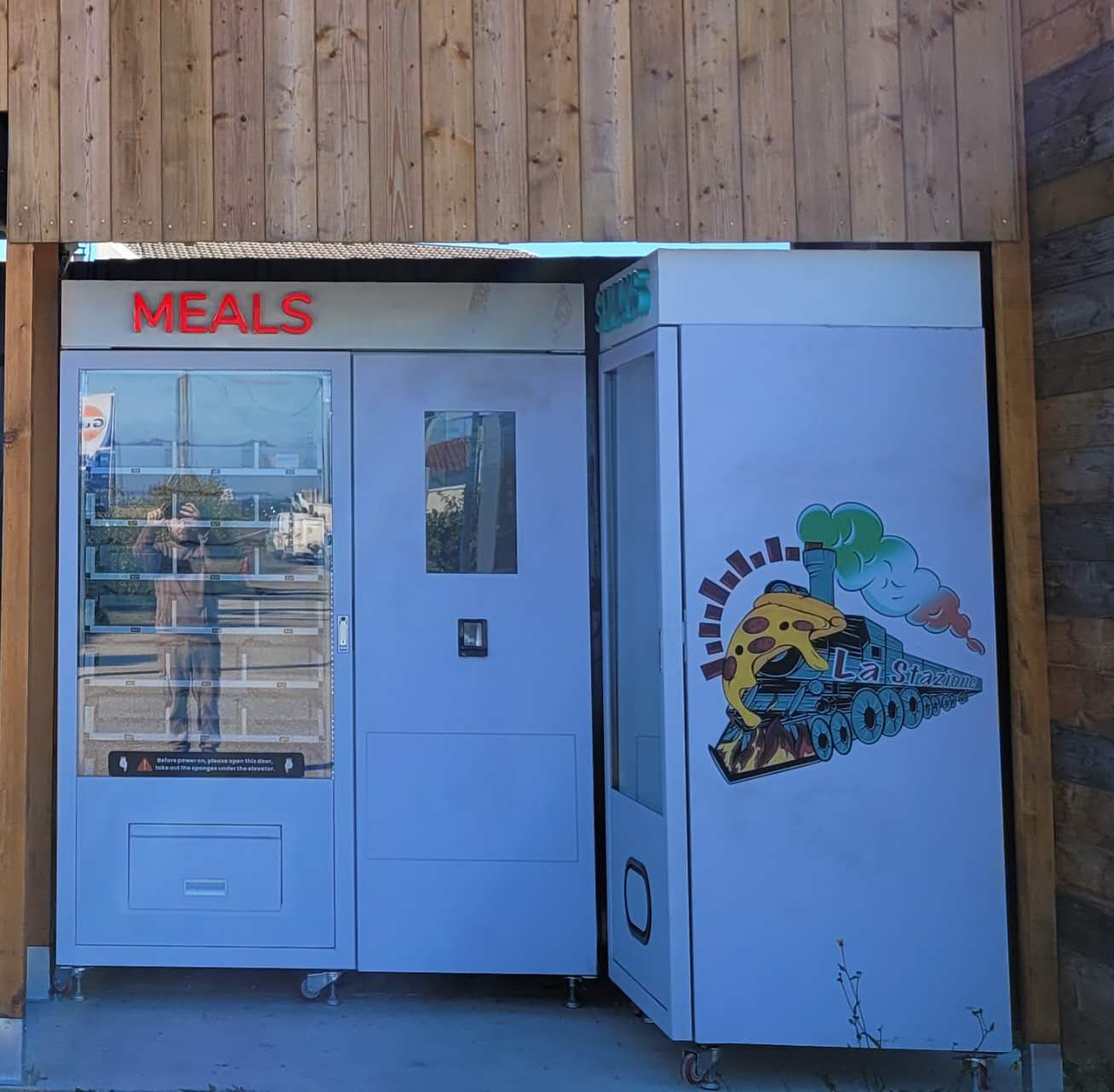
The installation photograph shows a black, single-door cabinet with a transparent front, illuminated wire shelves, a large display above the door and a smaller terminal mounted to the left. Packaged snacks and drinks are arranged across different shelf levels. The setting demonstrates how a smart fridge can sit alongside existing amenities without requiring a separate staffed shop.
The value of this case is its practical layout: products, customer instructions and an established refreshment area are brought together. It offers a useful reference for operators considering a similar indoor installation, while the exact configuration should be matched to each location.

What the Installation Shows
Clear Product Visibility
The glass door lets visitors see the selection before starting a purchase. Interior lighting helps separate product groups visually, while the open shelf arrangement provides a familiar refrigerator-style presentation. For an operator, this makes shelf organization part of the customer experience rather than simply a storage task.
A Display and a Separate Terminal
The top-mounted screen is easy to notice above the cabinet. The smaller terminal sits close to the door, keeping an interaction point near the place where customers access products. Clear, concise instructions should explain how to begin shopping, when to open the door and how to confirm that a purchase is complete. The photograph does not establish the software functions or payment methods enabled on this unit.
Building the Right Snack and Drink Selection
Start With the Location’s Everyday Demand
The photographed cabinet combines packaged snacks, cans and bottles. This mix complements the neighboring coffee facilities by offering choices for different preferences and occasions. A similar project can begin with a focused assortment, then adjust the selection using actual sales records, customer requests and observed stock availability.
More product types do not automatically produce a better offer. A smaller range that stays available and is easy to identify may serve customers better than crowded shelves. Operators should group related items, keep labels visible and maintain enough room for customers to remove products comfortably.
Test the Actual Packaging
Before introducing a new item, confirm that its packaging works with the selected recognition system and shelf layout. Similar-looking flavors, reflective packs, small labels and changes in package design all deserve attention during setup. Test the products that will actually be sold, including multiple-item purchases and permitted put-back actions, rather than relying only on a demonstration assortment.
Understanding the AI Smart Fridge Shopping Journey
In a typical AI smart fridge workflow, a customer follows the terminal prompts to authorize a purchase, opens the unlocked door, selects products and closes the door. The configured recognition and payment systems then determine the transaction. This explains the general retail concept; the precise sequence, supported payments and settlement timing must be confirmed for the chosen equipment and local payment service.
Make First-Time Use Straightforward
Short instructions near the terminal can reduce uncertainty. Customers need to understand any temporary authorization, the requirement to close the door, how a receipt is delivered and where to request help. The language and payment experience should suit the intended users in the United States. Avoid promising payment brands until compatibility has been confirmed.
Validate Everyday Shopping Situations
Commissioning should cover more than one successful purchase. Check taking two different products, returning an item where allowed, handling similar packages and recovering from an interrupted connection. Review the resulting order records and customer-facing messages. These checks help establish a reliable operating process before expanding the assortment or adding another location.
Planning an Indoor Refreshment Corner
The case illustrates the benefit of placing the cabinet close to a service people already recognize. The coffee counter provides useful context, and the fridge broadens the available refreshments. For another site, consider visibility from normal walking routes, comfortable door clearance and space for people to pause without blocking others.
Installation planning should also address the electrical supply, network availability, floor conditions and ventilation clearances specified for the selected model. Positioning beside coffee facilities requires attention to spills, cleaning access and waste disposal. Confirm the cabinet dimensions and site conditions before delivery rather than estimating fit from a photograph.
Match Access Hours to the Building
Self-service retail can reduce the need for a cashier at each purchase, but customers can only use a cabinet when the location permits access. Establish who can enter the area, who responds to customer issues and when replenishment can take place. Unattended purchasing still requires a clear service and maintenance plan.
Daily Operations That Support the Customer Experience
A successful refreshment point needs consistent routines after installation. Assign responsibility for checking stock, rotating dated products, keeping shelves and touchpoints clean and reviewing any transaction issues. Check storage conditions against the requirements of each product; a photograph cannot establish the operating temperature or suitability for every food category.
Where the selected management platform provides sales, inventory or status information, use those records to plan replenishment and investigate exceptions. Confirm the actual reporting scope and any service fees during procurement. Remote information supports site work, while physical checks remain important for packaging condition, cleanliness and customer-facing instructions.
Frequently Asked Questions
Is AI Recognition the Same as Gravity Sensing?
AI vision and weight-based recognition are different technical approaches, and some solutions combine sensing methods. Do not infer a specific sensor arrangement from the cabinet appearance. Ask which approach is used and test it with the planned product range.
Can a Similar Cabinet Be Used in Other Indoor Locations?
A comparable concept may suit offices, accommodation areas or shared facilities where drinks and snacks are useful. Suitability depends on access, demand, installation conditions and the operating arrangement. This case documents an indoor refreshment setting rather than confirming a particular building type.
Plan Your Own Smart Fridge Project With WEIMI
Explore the WEIMI smart fridge vending machine range and compare the wider vending machine product collection when choosing a format for your location.
To discuss a similar USA installation, contact WEIMI about your smart fridge project with site photos, available space, proposed products, package sizes and payment requirements. These details provide a practical starting point for confirming the cabinet, shopping workflow and support plan.
China Customer Case: Model Car Vending Machine for Shopping Mall Collectible Retail
Australia Customer Case: Oyster Locker Vending Machine in Port Douglas
Related Article